

Semantic keyword set is a list of words and phrases that reflect the subject matter of the site and lead Internet users specifically to their query. The SEO specialist, whose task is to recognize these queries and group them together, is in charge of compiling the Semantic keyword set.
Keywords, or queries, are categorized according to the following criteria: seasonality, geo-relevance, frequency and competition. There are also basic types of search queries: navigational, informational, commercial (which includes transactional) and general, or fuzzy.
EXAMPLE:
We have a service of architectural design services in Romania.
Our goal is to find keywords that users will use to search for and find our company. Queries should be relevant to the content within the site. The key “arhitectura” will not work for us, as the search engine results consist of the deciphering of the concept, courses and educational institutions on architecture. Also exclude from the list of “proiectare”, it includes services and recommendations for the design of sites.
What works for us:
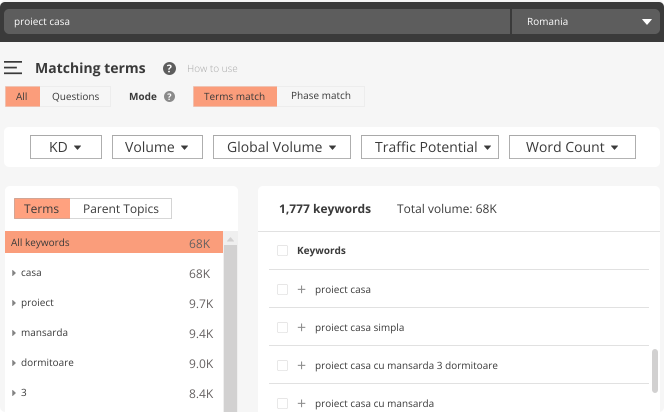
In order to correctly collect the core, it is necessary to understand what kind of queries our audience has. It is important to consider all key parameters, especially frequency, commerciality and structure.
Frequency determination
While collecting the core, we need not only queries, but their frequency. Keys are divided into three types of frequency:
Frequency rates are approximate, because we determine the frequency rate inside the ready semantics. Depending on the topic, these indicators vary greatly. This will be especially noticeable with the topic of a new or rare service/good.
If the highest-frequency key there is 500 impressions, then a group of HF queries will contain keys from about 300 to 500 impressions, HF – from 50 to 300, LF – from 10 to 50.
The kernel directly includes queries of all frequencies, which at the clustering stage are divided into separate groups that answer the same query. The frequency allows us to prioritize the key: how often we will insert it and in which places.
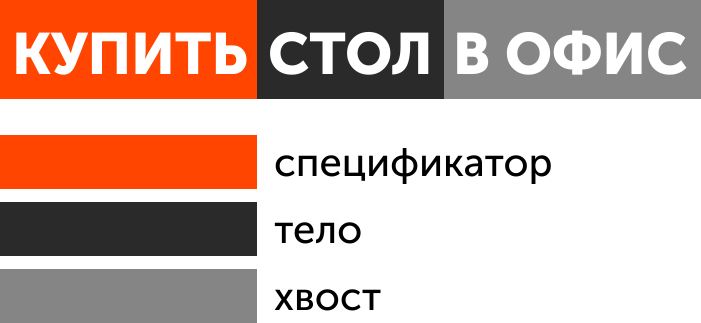
A search phrase itself has several parts: body, specifier and tail. Let’s look at an example:
How can the word “table” be characterized? It is impossible to understand the exact intention of the user by it. The key is a high-frequency key, therefore, highly competitive in terms of rendition. Promotion on it will bring mainly untargeted traffic, which will also affect behavioral factors. This query consists only of a body, so the visitor is highly likely not to reach his goal.
The search phrase “buy a table” already consists of the body “table” and the specifier “buy”. The latter specifies the intent, i.e. our user will get to the page where he can satisfy his request. The specifier can look differently, for example: “how to assemble a table” or “types of tables”.
Consider the following: “buy a desk for the office”. Here we have all three components: body, specifier and tail. The last one specifies the user’s need – he wants to buy a desk specifically for the office.
The content of the phrase implies the desire, or purpose of the user. With its help we can determine what type of key belongs to: informational or commercial.
Queries with different intents should be promoted on different pages. If the keys are correctly identified and separated by their intents, search engines will display relevant output.
This indicator is not constant and can change depending on the demand of users. Thus, a phrase can have both informational and commercial intent.
This stage allows us to identify the main branches of our topic. For example, we choose 2-3 leaders in the desired sphere to analyze their structures. The analysis can be done both visually and with the help of various services.
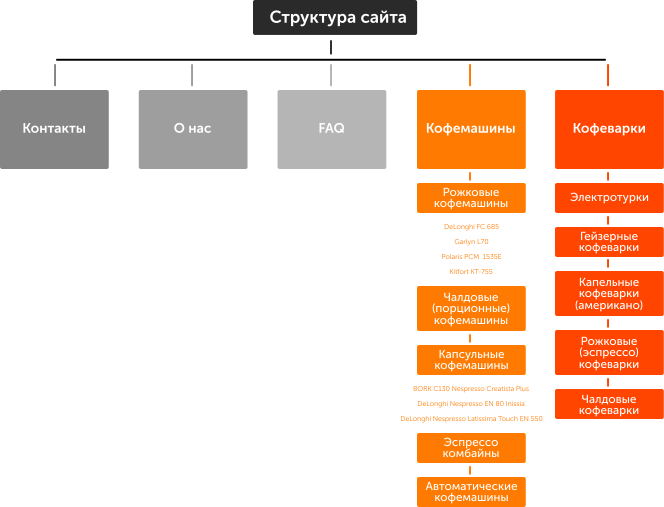
Example of site structure in XMind after visual analysis.
At this stage, we determine the approximate breakdown of topics, the distribution of informational and commercial queries, and the approximate volume of the core that we will further collect.
We have determined the vector, now we begin to build the skeleton of the future core. Collecting basic keys allows us to correctly form the structure of the site and adhere to a strictly defined theme, without going into details.
A skeleton is created in the form of a list, which includes words that define the theme of the site. Here will also be the keys that include the specifics of the company. For example, a site for the sale of electrical equipment will include approximately the following:
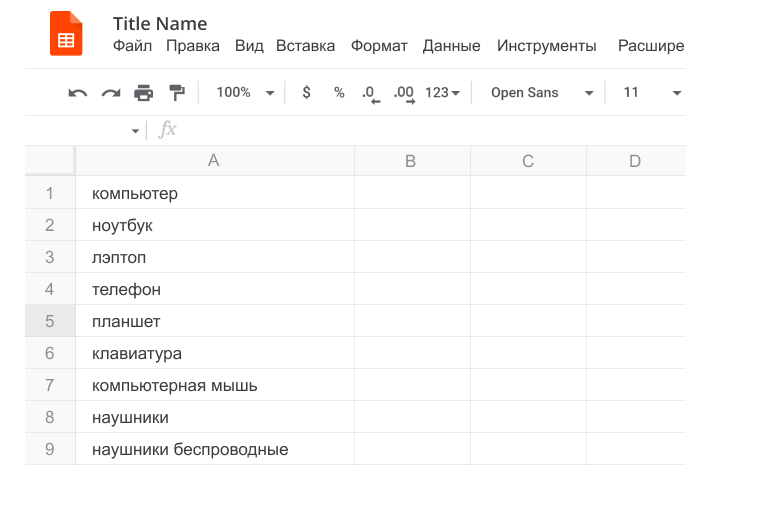
The skeleton always includes the highest frequency keys. But this is not enough to promote the site, as high frequency equals high competition. Further we expand the semantics to HF and low-frequency keys.
Many services can be used for collection. They differ in the specifics of work of a certain country and language. The collection is performed by alternately entering into the service the basic keys we have already allocated. The service collects all phrases that include the entered word, and some also pick up synonyms of the main query.
To ensure that nothing is missed and that the core is as complete as possible, you need to replenish it.
Here are 3 ways to expand:
Each of these allows us to capture more search phrases. When we expand, the core is enriched with low frequency words and phrases. Now our site is more competitive.
Removing garbage requests
Now we literally have a mountain of requests, what should we do with them? First of all, we need to clean the core from untargeted queries.
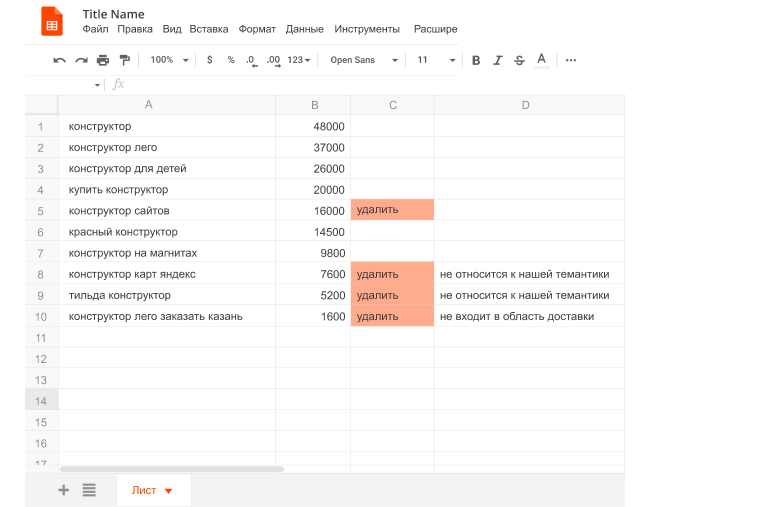
The cleaning process is done manually.
What needs to be removed?
Clustering is the segmentation of similar search phrases into a separate group. As a result, we have the same core, only divided into separate topics, thanks to which it is easy to create the future structure of the site. The number of groups depends on the total volume of the core and the strength of the breakdown.
The strength of the breakdown implies how much we will split semantics by topic. You can determine the strength on the basis of competitors or search engine results, if there are few competitors and you have not identified the leaders.
Grouping can be done manually or with the help of special services. More often, even after the robot’s work, it is necessary to visually check key occurrences in each group and finish manually if there are any errors.
Semantic keyword set compilation is an important element of effective SEO-promotion. Correct semantics is impossible without understanding the characteristics of search queries and the rules of their division.
With the help of a semantic keyword set you can build the most elaborate structure and create the right content from the point of view of search engine robots. It is important not to miss the removal of inappropriate queries when creating the core, i.e. anything that can reduce the relevance of the site.
Have you completed all the steps and considered the intricacies of semantic keyword set collection? Congratulations, now you have a better chance to reach the TOP!